
Heating 5 min read2 March 2026
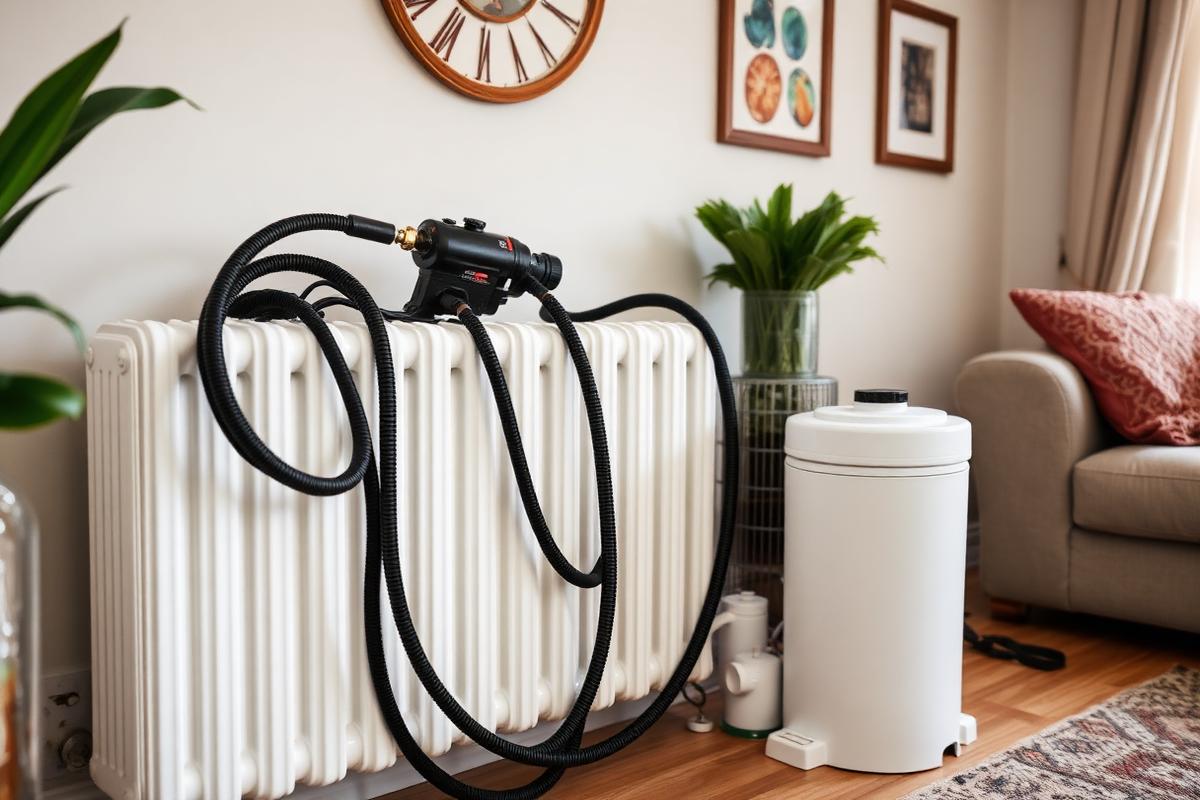
Magnetite sludge builds up in every steel-and-copper heating system over time. Whether you need a full power flush or a chemical clean depends on how far it has gone.
Signs your system is sludged
- Radiators cold at the bottom but hot at the top
- Some radiators never heat while others cook
- Black water when you bleed a radiator
- Noisy pipework or a rumbling boiler
- Pump running hot or failing repeatedly
Power flush versus chemical clean
A chemical clean circulates a cleaner for a period and then drains the system — appropriate for mild contamination. A power flush uses a high-flow, low-pressure pump with magnetic capture to physically scour each radiator, and that is what heavily sludged local systems usually need before a new boiler goes on.
Protecting the system afterwards
A flush without protection is money wasted. We always finish with a magnetic filter fitted on the return, a correctly dosed inhibitor, and a note of the dose date so it can be checked at the annual service.
Need help with this?
We handle this work every week. See Heating & Boiler Services in Glasgow or browse all our services.
Frequently asked questions
How long does a power flush take?
Typically four to eight hours depending on the number of radiators and how contaminated the system is.
Is a flush needed with a new boiler?
A system clean is required by most manufacturers. Whether it must be a full power flush depends on the system's condition.
Will it fix cold radiators?
If the cause is sludge, yes. If a valve or pump has failed, that gets fixed too.
Related reading
Book a local engineer
Dealing with this problem right now? These pages cover pricing, response times and the exact jobs we do in each area.
More articles
 Banging, Kettling and Gurgling: Boiler Noises Explained
 Central Heating Installation: What to Expect
 What Happens During an Annual Boiler Service