
Renewables 7 min read6 April 2026
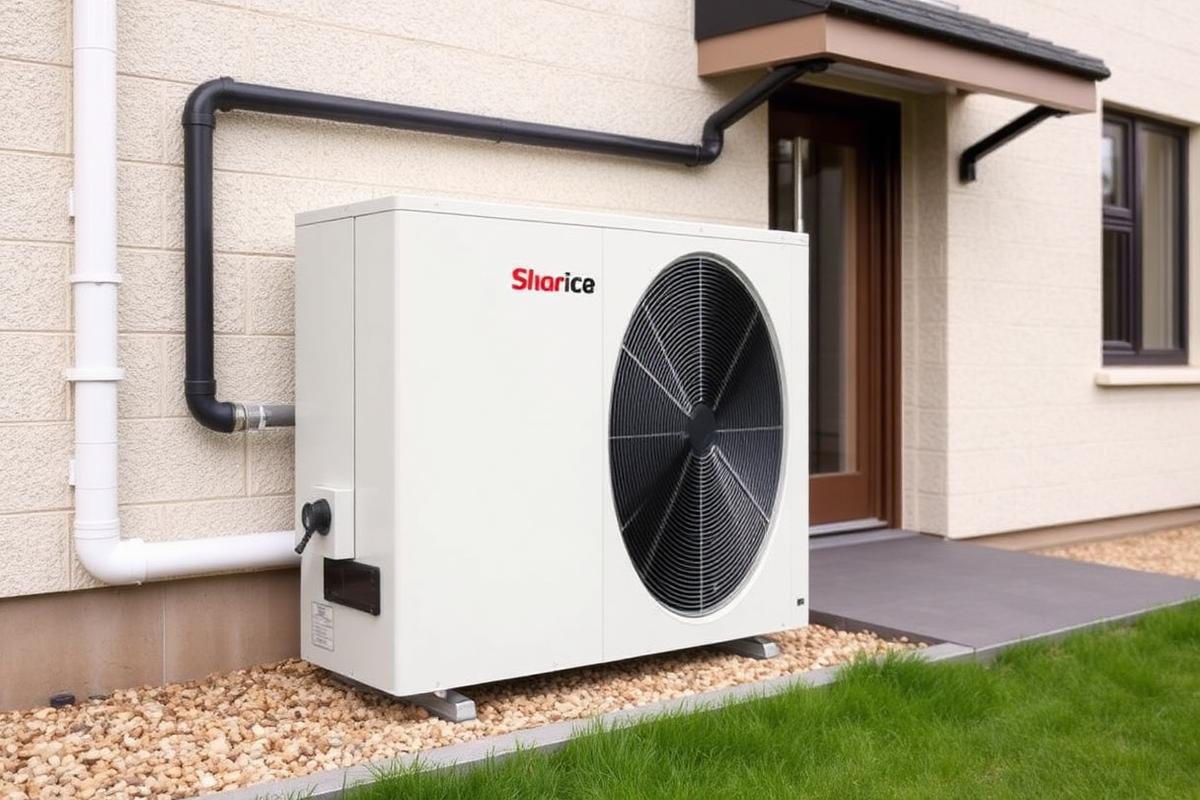
An air source heat pump extracts heat from outside air even at low temperatures. The technology is proven in colder countries than Scotland; the variable is your house, not the weather.
What makes a property suitable
- Reasonable insulation levels — loft, cavity or internal wall where possible
- Radiators sized for lower flow temperatures, or underfloor heating
- Outdoor space with airflow for the external unit
- Room for a hot water cylinder
Running costs, realistically
A well-designed heat pump delivers around three to four units of heat per unit of electricity across a year. Whether that beats gas on cost depends on the electricity-to-gas price ratio at the time and on how well the system is designed. A badly designed system running at high flow temperatures will disappoint.
Our approach
We survey, calculate heat loss room by room, produce a radiator schedule and give a clear picture of what would need to change. If your property is not a good candidate yet, we will say so and recommend a high-efficiency gas installation instead.
Need help with this?
We handle this work every week. See Air Source Heat Pumps in Glasgow or browse all our services.
Frequently asked questions
Do heat pumps work in Scottish winters?
Yes — they operate well below freezing, though output and efficiency fall as temperatures drop, which is why sizing matters.
Will I need new radiators?
Often some radiators need upsizing to run at lower flow temperatures.
Are they noisy?
Modern units are quiet; siting and mounting matter for both noise and airflow.
Related reading
More articles
 12 Ways to Lower Heating Bills in a Scottish Home
 Smart Heating Controls: Real Savings, Honestly
 Central Heating Installation: What to Expect