
Gas Safety 5 min read27 April 2026
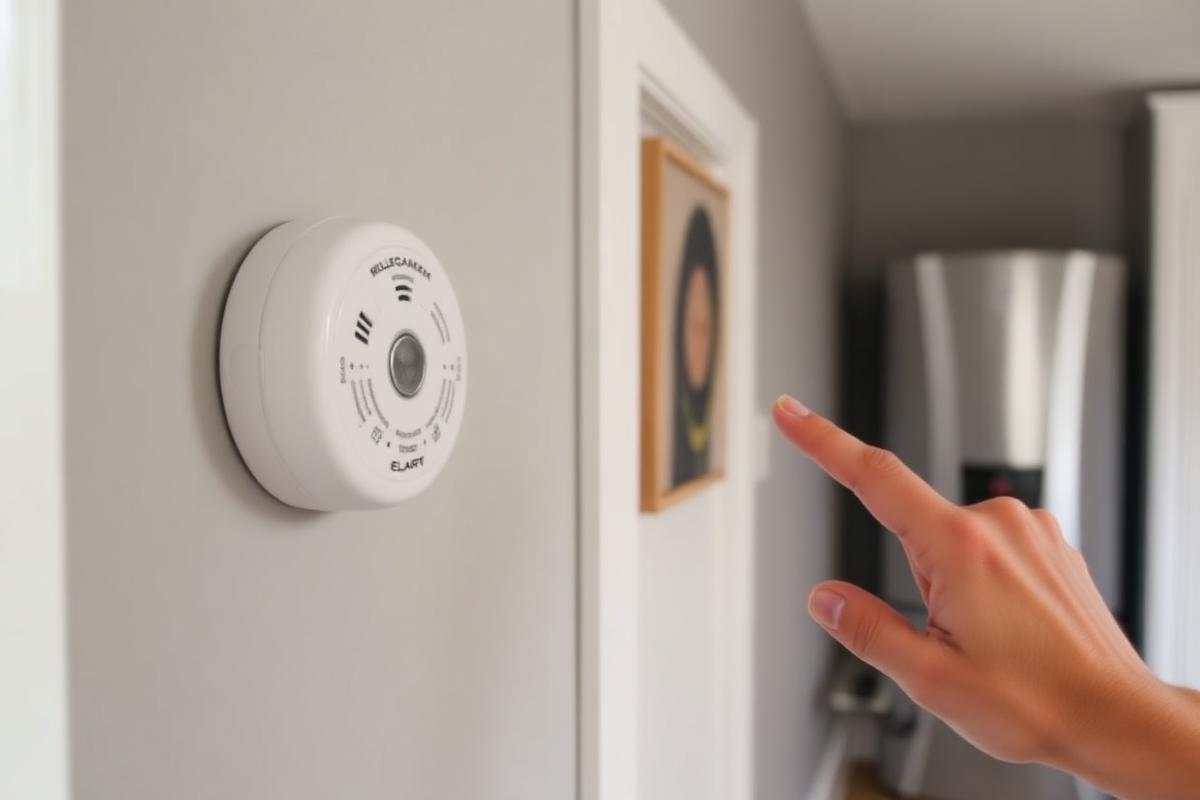
Carbon monoxide is produced when fuel burns incompletely. It cannot be seen, smelled or tasted, which is why detection has to be mechanical rather than human.
Symptoms to recognise
Headaches, dizziness, nausea, breathlessness, collapse and loss of consciousness. A strong clue is that symptoms ease when you leave the property and return when you come back, and that more than one person or a pet is affected.
Warning signs on appliances
- Lazy yellow or orange flames instead of crisp blue
- Black sooty marks or staining around an appliance or flue
- Excessive condensation in the room where the appliance sits
- A pilot light that repeatedly blows out
Where to fit alarms
Fit an audible CO alarm in every room containing a fuel-burning appliance, ideally at head height, between one and three metres horizontally from the appliance, and away from windows, doors and extractors. Scottish standards require CO detection in rooms with a carbon-fuelled appliance, and it is a routine part of what we check on landlord visits.
If the alarm sounds
Open doors and windows, turn appliances off, leave the property and call the National Gas Emergency Service on 0800 111 999. Do not go back in until it is confirmed safe.
Need help with this?
We handle this work every week. See Domestic Gas & LPG in Glasgow or browse all our services.
Frequently asked questions
How long do CO alarms last?
Most sealed units last seven to ten years — check the replace-by date printed on the casing.
Do landlords need CO alarms?
Yes, where there is a carbon-fuelled appliance; we check and record this at every landlord visit.
Can a service prevent CO?
Annual servicing plus flue and ventilation checks are the most effective prevention.
Related reading
Book a local engineer
Dealing with this problem right now? These pages cover pricing, response times and the exact jobs we do in each area.
More articles
 Gas Safety Check: What Is Actually Inspected
 What Happens During an Annual Boiler Service
 Landlord Gas Safety Certificate (CP12) Explained