
Electrical 6 min read15 June 2026
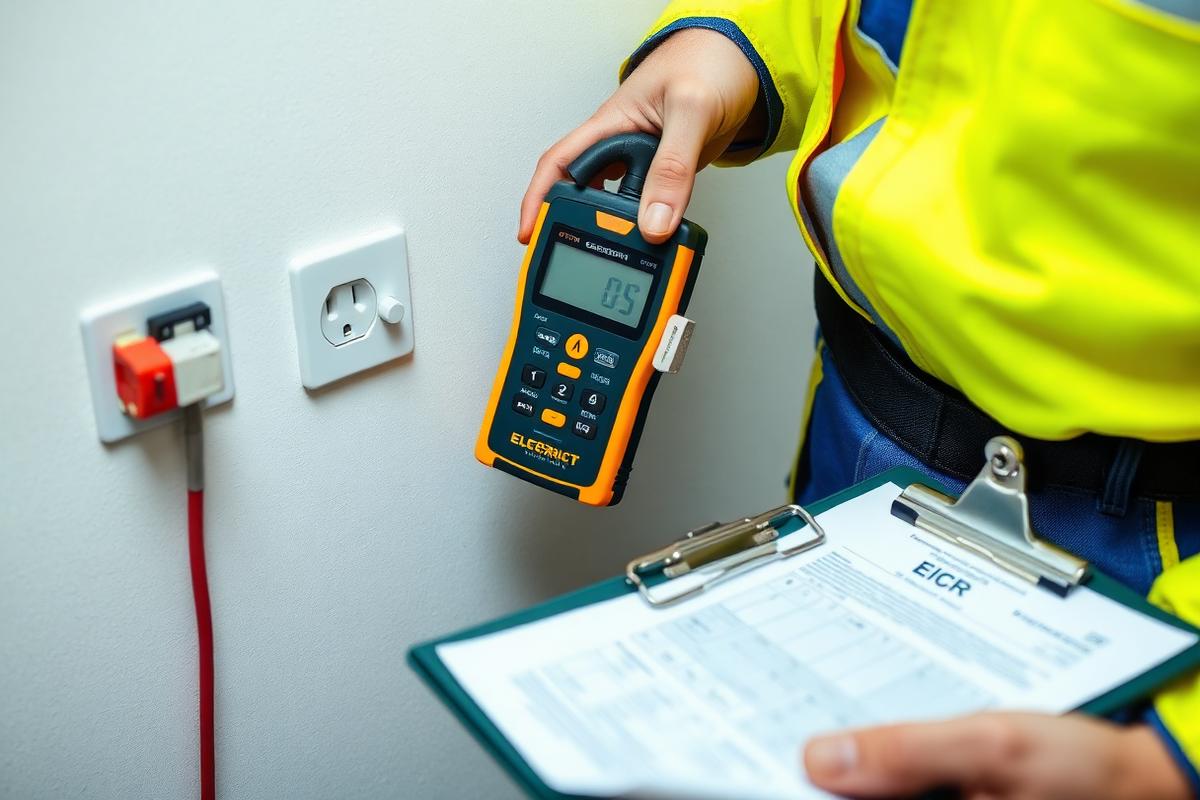
Landlords in Scotland must ensure the electrical installation is inspected and tested at least every five years by a competent person. The output is an Electrical Installation Condition Report.
What gets tested
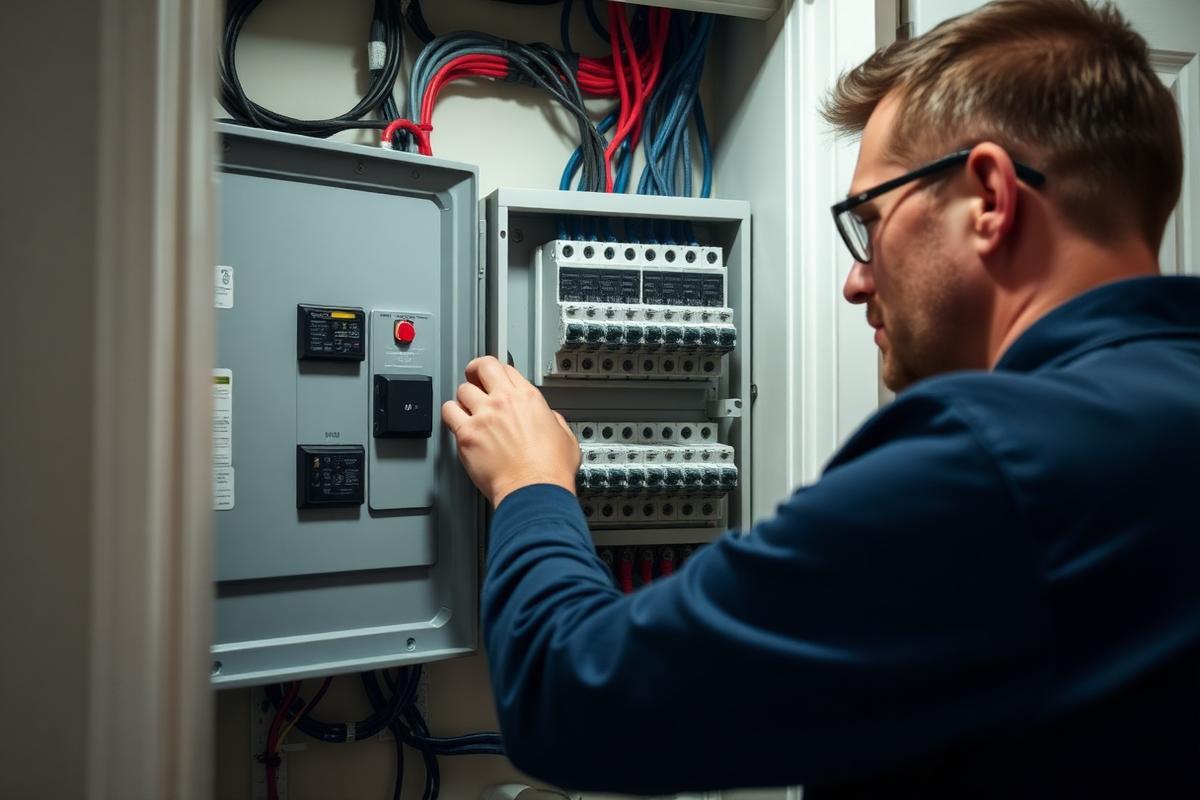
- Consumer unit condition, protective devices and RCD operation
- Continuity of protective conductors and bonding
- Insulation resistance across circuits
- Polarity and earth fault loop impedance
- Socket outlets, switches, lighting and fixed appliances sampled per circuit
- Condition of accessible cabling and accessories
Understanding the codes
C1 means danger present and requires immediate action. C2 means potentially dangerous and requires urgent remedial work — a C1 or C2 makes the report unsatisfactory. C3 is an improvement recommendation and does not make the report unsatisfactory. FI means further investigation is required.
Remedial work and timescales
Where remedial work is needed, we quote it clearly, separated into what is required to make the report satisfactory and what is merely recommended. We can usually carry out remedials and re-issue the report quickly, which matters when a tenancy start date is fixed.
Need help with this?
We handle this work every week. See Electrical Services in Glasgow or browse all our services.
Frequently asked questions
How often is an EICR needed?
At least every five years for rented property in Scotland, and at change of tenancy in many cases.
How long does testing take?
Typically two to four hours for a domestic property, depending on the number of circuits.
Can you do gas and electrical on one visit?
Yes — combining the gas safety record and EICR saves access hassle for tenants.
Related reading
Book a local engineer
Dealing with this problem right now? These pages cover pricing, response times and the exact jobs we do in each area.
More articles
 Consumer Unit Upgrades: When and Why
 Landlord Gas Safety Certificate (CP12) Explained
 A Yearly Maintenance Plan for Landlords